The Power of Memoirs and Biographies in Capturing the Untold Emotional Battles of War
War, with its devastation and heroism, has long been a subject of historical documentation, but often the true emotional impact of war is overlooked in traditional narratives. The human experience of conflict—the psychological trauma, personal sacrifices, and emotional battles fought behind closed doors—is frequently relegated to the margins. This is where memoirs and biographies rise in importance. These personal accounts offer a deeper insight into the hidden tolls of war, capturing the raw emotional struggles of both soldiers and those left behind.
From the horrors faced on the frontlines to the silent battles waged on the home front, war memoirs and biographies provide an intimate look at what history books often fail to document. In this blog, we’ll explore how these genres capture the untold emotional battles of war and why they are essential to understanding the full spectrum of human experience during conflict.
The Emotional Depth of Memoirs and Biographies
Memoirs and biographies differ from historical accounts in that they focus not only on facts but also on personal feelings, reactions, and the lasting psychological scars that wars leave behind. These genres dive into the emotional landscape, offering readers a closer look at the inner lives of individuals impacted by war—whether it’s the soldiers who fought on the front lines or the families who endured back home.
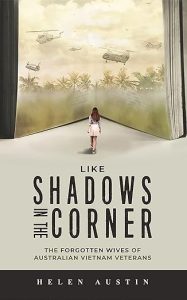
Books like Like Shadows in the Corner by Helen Austin are prime examples of how memoirs and personal accounts can uncover the lesser-known stories of war. Austin’s book gives voice to the wives of Australian Vietnam veterans, whose emotional battles were largely invisible at the time. These women, often overlooked by history, experienced fear, isolation, and hardship as they waited for their loved ones to return home—if they returned at all. Their stories remind us that war is not just a battlefield experience; it infiltrates homes and families, forever altering the lives of those left behind.
Capturing the Untold Stories of Women in War
One of the most significant contributions of memoirs and biographies is their ability to highlight the experiences of women during wartime—stories that are often marginalized or ignored in mainstream historical narratives. War memoirs written from the perspective of women offer a unique view into the emotional tolls that conflict takes on families and communities.
In Like Shadows in the Corner, Austin shares the forgotten stories of the wives of Vietnam veterans, who struggled with the emotional burden of waiting for their husbands to return from war. These women faced societal neglect, financial struggles, and the ever-present fear of receiving the dreaded news of their loved ones’ death. Through memoirs like these, the reader gains insight into the emotional complexities of being a military spouse, a narrative that is crucial to understanding the full scope of war’s impact.
Similarly, other war memoirs have also documented the untold stories of women, such as Vera Brittain’s Testament of Youth, a memoir of her experience as a nurse during World War I. Brittain’s account sheds light on the emotional devastation of losing loved ones and the psychological toll of caring for wounded soldiers, providing a raw depiction of the often-overlooked female perspective during wartime.
Memoirs as Windows into Trauma and PTSD
One of the most powerful aspects of war memoirs is their ability to document the psychological trauma and PTSD that soldiers experience after returning home. While military history might record the battles fought, memoirs delve into the battles that continue long after the war is over—those fought in the minds and souls of veterans.
Books like The Things They Carried by Tim O’Brien explore how soldiers attempt to process the horrors they witnessed during the Vietnam War. O’Brien’s semi-autobiographical collection of stories captures the haunting memories of conflict that linger long after the guns have gone silent. Through deeply personal accounts, readers can understand how PTSD, survivor’s guilt, and psychological scars shape the post-war lives of veterans.
In a similar vein, Helen Austin’s Like Shadows in the Corner doesn’t just focus on the soldiers but also on the secondary trauma experienced by their wives. The book captures how war reverberates through families, leaving psychological wounds that often remain untreated and unspoken. Austin shines a light on the emotional battles fought by these women as they grappled with the trauma that came home with their husbands.
The Power of First-Person Narratives in Humanizing War
Memoirs and biographies provide readers with something that traditional history books cannot always offer: a personal, human connection to the past. First-person narratives allow readers to step into the shoes of someone who lived through the chaos and brutality of war. This personal connection humanizes the conflict, transforming abstract facts and figures into the lived experiences of real people.
Consider When Breath Becomes Air by Paul Kalanithi, a memoir not about war, but about the personal battle of facing terminal illness. In much the same way, memoirs about war offer readers a firsthand account of the emotional and physical tolls of fighting, such as Born on the Fourth of July by Ron Kovic, a biography about Kovic’s experiences in the Vietnam War and his life as a paralyzed veteran.
These stories offer more than just historical value; they build empathy and understanding. They invite readers to experience the profound emotional weight of war, allowing a deeper connection to the individuals whose lives were forever changed by conflict.
Healing Through Storytelling
War memoirs and biographies often serve not only as a record of history but also as a form of catharsis for the authors. For many veterans and survivors, writing about their experiences can be a way to process trauma, regain a sense of control, and begin the journey toward healing. In sharing their stories, they also provide a path for others to understand, relate, and find solace in the shared human experience of suffering.
Like Shadows in the Corner serves as a testament to this idea. By giving a voice to the forgotten wives of Vietnam veterans, Austin has created a space for healing and acknowledgment, not just for herself but for countless women who lived through the same struggles. The memoir becomes a form of collective healing, reminding readers that sharing our stories is an essential part of coming to terms with the past.
In the same way, All Quiet on the Western Front by Erich Maria Remarque, though fictionalized, draws heavily from Remarque’s own experiences during World War I. His stark portrayal of the psychological and emotional tolls of combat offers a sense of understanding and closure for both veterans and readers alike.
The Role of Memoirs in Expanding Historical Perspectives
Memoirs and biographies enrich historical understanding by offering alternative perspectives that might otherwise be overlooked. By focusing on individual stories, they help fill in the gaps left by traditional historical accounts, providing a more complete picture of war.
For example, I Was Just a Child by Debra Barnes offers a powerful memoir of a child’s experience during the Holocaust. This memoir, like many others, captures a side of history that is often relegated to footnotes or academic discussions. Memoirs and biographies bring these personal experiences to life, creating space for stories that are as important to the historical narrative as the battles and political decisions.
In the case of Like Shadows in the Corner, the focus on the wives of Vietnam veterans expands our understanding of the Vietnam War, reminding us that the conflict extended far beyond the battlefield. Through their eyes, we gain insight into the emotional and social impact of the war, adding an essential layer of complexity to the historical record.
Why Memoirs and Biographies Matter
Memoirs and biographies offer something history books often cannot—intimacy and emotional resonance. They bring us closer to the individual human stories behind wars, helping us to understand not only the conflict but also the personal toll it takes on soldiers, families, and communities.
Books like Like Shadows in the Corner by Helen Austin remind us that war doesn’t just affect those on the front lines. The emotional battles faced by those on the home front, especially women, are equally significant and deserve to be acknowledged. Memoirs capture these untold stories, offering readers a chance to reflect, empathize, and perhaps even heal from the traumas of war.
As we continue to explore history through personal narratives, we not only enrich our understanding of past conflicts but also gain valuable insights into the emotional resilience of individuals. In doing so, memoirs and biographies serve as powerful tools for both historical documentation and human connection.
For more insights into the hidden emotional tolls of war, check out Helen Austin’s Like Shadows in the Corner available here.