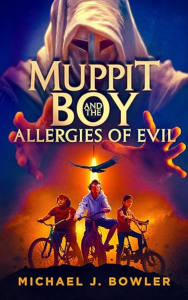
The Rise of an Unlikely Hero in Middle Grade Sci-Fi Adventure
A bullied boy becomes an unlikely hero in a fast-paced middle grade sci-fi adventure filled with humor, mystery, and nanotech twists.

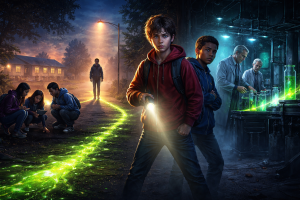
Stories about young heroes discovering extraordinary abilities have long captured the imagination of readers. Yet writing a compelling middle grade science fiction adventure requires more than a clever premise or a quirky protagonist. The genre thrives on a delicate balance of humor, suspense, emotional growth, and imaginative speculation. When done well, these stories resonate with both younger readers and the adults who guide them toward books that spark curiosity.
One recent example of how this balance can be achieved appears in Muppit Boy and the Allergies of Evil, a novel that blends humor, mystery, and science fiction while exploring the emotional world of a young protagonist trying to overcome embarrassment and discover his own strengths. The story offers a useful lens through which to explore what makes the middle grade sci-fi adventure genre so engaging for both readers and authors.
The middle grade adventure story sits at a unique crossroads in modern publishing. Readers between the ages of eight and twelve are often encountering longer narratives for the first time, yet they still crave excitement and imaginative worlds. Science fiction offers fertile ground for storytelling because it allows writers to introduce strange phenomena, experimental technologies, and mysterious villains without losing the grounded emotional perspective of a young hero.
Successful authors in the genre often understand that the extraordinary must emerge from an ordinary starting point. The hero may be a kid dealing with school, friendships, or family expectations when something unusual disrupts the familiar world. In many ways, this narrative structure mirrors the emotional landscape of growing up. Childhood itself is full of unexpected changes, and speculative fiction gives writers the freedom to transform those feelings into thrilling narrative possibilities.
This approach can be seen across many modern middle grade classics. Rick Riordan’s mythology-inspired adventures, for instance, begin with characters who feel out of place in the real world before discovering hidden identities and responsibilities. Similarly, the inventive science-fiction elements in stories like those explored by authors such as Eoin Colfer show how technological imagination can fuel both humor and suspense. Readers drawn to this style of storytelling often enjoy the mix of fast pacing and emotional relatability that defines the genre.
For authors, the challenge lies in crafting a story that maintains that balance without overwhelming younger readers with complexity. The best middle grade science fiction adventures rely on clear stakes, engaging characters, and imaginative twists that propel the narrative forward.
At the heart of every successful middle grade adventure lies a protagonist who feels real, even when the world around them becomes extraordinary. Readers in this age group often look for characters who mirror their own insecurities and aspirations. The hero does not need to be confident or heroic at the beginning of the story. In fact, the opposite is often more effective.
Many stories begin with protagonists who feel misunderstood, overlooked, or embarrassed by something about themselves. These flaws and vulnerabilities create emotional stakes that ground the narrative. When the hero later rises to meet extraordinary challenges, readers feel that transformation alongside them.
In this respect, stories like Muppit Boy and the Allergies of Evil illustrate how humor and vulnerability can coexist within a science fiction adventure. A protagonist who begins the story as an object of ridicule or misunderstanding becomes far more compelling when the narrative gradually reveals hidden strengths and unexpected abilities. That shift from embarrassment to empowerment is one of the most powerful narrative arcs in middle grade storytelling.
The emotional authenticity of the protagonist often determines whether the speculative elements of the story succeed. When readers care about the character, they are willing to follow the story into strange and imaginative territory.
One of the most effective storytelling techniques in middle grade science fiction is the integration of mystery. Young readers naturally enjoy puzzles and clues, which makes investigative plots particularly engaging. A story that begins with a strange event—an unexplained phenomenon, a suspicious villain, or a series of mysterious incidents—immediately invites readers to participate in the discovery process.
Mystery allows writers to gradually introduce speculative concepts while maintaining narrative tension. Instead of explaining the science behind the story immediately, the author can reveal clues piece by piece as the protagonist investigates. This approach keeps the reader curious and invested in the unfolding plot.
Many modern middle grade adventures combine detective elements with speculative science in ways that feel both playful and suspenseful. By weaving mystery into the narrative, the story maintains forward momentum while allowing the science fiction components to emerge naturally.
The effect is particularly powerful when the protagonist’s personal journey parallels the investigation itself. As the hero uncovers secrets about the strange events occurring around them, they also begin to discover something about their own identity or potential.
No adventure story can succeed without meaningful conflict. In middle grade fiction, antagonists often appear larger than life, yet their motivations remain understandable. A mysterious scientist, a power-hungry mastermind, or a secret organization experimenting with dangerous technology can provide the narrative tension necessary to drive the plot forward.
The key is ensuring that the stakes remain clear and emotionally resonant. Younger readers may not connect with abstract global threats, but they respond strongly to dangers that affect characters they care about. When the villain’s plans threaten friends, family, or the protagonist’s community, the story’s urgency becomes immediately relatable.
Stories like Muppit Boy and the Allergies of Evil demonstrate how a seemingly small mystery can gradually expand into a much larger conflict. The narrative tension increases as the young heroes realize that the strange events they are investigating may have consequences far beyond their immediate surroundings.
For authors, this escalation is essential. A compelling middle grade science fiction adventure typically begins with a localized mystery before revealing a broader scheme that raises the stakes dramatically.
Another defining characteristic of the genre is the presence of a close-knit group of friends who help the protagonist navigate the adventure. Young heroes rarely succeed alone. Instead, they rely on companions whose personalities complement their own strengths and weaknesses.
This dynamic creates opportunities for humor, emotional support, and collaborative problem-solving. One friend might provide courage, another might contribute technical knowledge, while a third brings comic relief. Together they form a team capable of confronting challenges that would overwhelm any individual character.
The friendships at the center of many middle grade adventures also reflect the real experiences of young readers. For children navigating school and social life, friendships often feel like the most important relationships in the world. When stories capture that sense of loyalty and shared discovery, they resonate deeply with their audience.
Many middle grade science fiction adventures function, intentionally or not, as origin stories. They depict the moment when an ordinary child begins to realize that their life may hold extraordinary possibilities. This narrative structure taps into a universal childhood fantasy: the idea that hidden abilities or secret destinies might one day reveal themselves.
Origin stories work particularly well in a series format because they establish a foundation for future adventures. By the end of the narrative, the protagonist has changed in ways that suggest even greater challenges ahead. Readers finish the book with the feeling that they have witnessed the beginning of something larger.
When handled effectively, this transformation feels earned rather than abrupt. The hero’s growth emerges naturally from the trials they face during the story. The obstacles they overcome reveal courage, intelligence, and resilience that may have been invisible at the beginning.
In this way, the genre offers something meaningful for both readers and writers. For young audiences, these stories reinforce the idea that personal challenges can lead to unexpected strengths. For authors, they provide a framework for exploring imagination, growth, and discovery in ways that remain accessible and exciting.
Middle grade science fiction adventures continue to captivate readers because they combine wonder with emotional truth. The stories invite readers into worlds where strange technology, mysterious creatures, and hidden conspiracies coexist with the everyday struggles of childhood.
At their best, these novels remind readers that curiosity, courage, and friendship can transform even the most unlikely hero into someone extraordinary. Whether the story centers on a mysterious scientific experiment, an unusual creature, or a young protagonist discovering unexpected abilities, the genre thrives on the idea that the ordinary world may hide remarkable possibilities just beneath the surface.
For authors exploring this style of storytelling, the key lies in remembering that the heart of the story is always the young hero’s journey. When readers believe in that journey, they are willing to follow the adventure anywhere it leads.
External References
Readers interested in how the middle grade market has grown in recent years can explore reporting on children’s publishing trends from Publishers Weekly, which regularly covers the category at
https://www.publishersweekly.com/pw/by-topic/childrens/childrens-industry-news.html
Authors studying the craft of writing for younger audiences often look at how modern middle grade storytelling balances adventure and emotional growth, a topic explored by literary resource site Writer’s Digest in its discussion of the genre at
https://www.writersdigest.com/write-better-fiction/what-is-middle-grade-fiction
Understanding how speculative ideas function in storytelling can also benefit from examining broader science-fiction traditions. The Science Fiction and Fantasy Writers Association provides an overview of the genre and its evolution at
https://www.sfwa.org/about/what-is-science-fiction
Readers curious about the development of young protagonists in fantasy and science-fiction literature can explore analysis of children’s storytelling traditions through the British Library’s guide to children’s literature at
https://www.bl.uk/childrens-books
For writers exploring how imagination and science intersect in fiction for young audiences, NASA’s educational resources on real-world science topics often inspire speculative storytelling ideas at
https://www.nasa.gov/stem
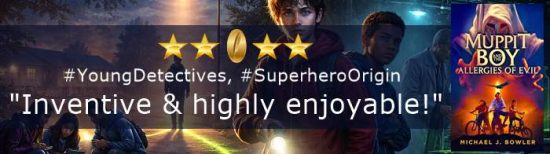
A bullied boy becomes an unlikely hero in a fast-paced middle grade sci-fi adventure filled with humor, mystery, and nanotech twists.
We work with both traditionally published and “indie” authors who have self or independently published books and our mission is simple. It’s to discover new and talented authors and help them give their work the attention and awareness it deserves. We do this by providing professional and credible reviews which are respected by our readers. Our primary focus is on fiction across all genres, non – fiction with broad appeal and selected poetry.
Discover the delightful tale of ‘Stanley the Pencil’ by J.L. Manning, an illustrated children’s book filled with adventure, exploration, and vibrant characters. Follow Stanley’s journey beyond his pencil case, encouraging young readers to embrace curiosity and learning
Explore why readers love novels addressing the coexistence of science and faith, blending deep themes, rich narratives, and profound philosophical inquiries
Explore how family bonds add emotional depth, cultural authenticity, and thematic richness to narratives. Learn how themes of honour, legacy, and intergenerational dynamics shape compelling stories that resonate across time
In our latest blog we explore Celebrating Black Women: Their Stories in Historical Fiction and why their inclusion is crucial for reflecting true history…
Explore the transformative power of historical fiction with our comprehensive guide for authors. Learn how to craft authentic settings, develop compelling characters, and weave historical events into engaging narratives.
Discover the art of biographical fiction, where history meets imagination. Learn tips for crafting compelling narratives and explore the allure of bringing historical figures to life through storytelling. Ideal for authors and readers of biographical fiction.


Discover our review of Eric Miltner’s Accretion Book II: Echoes of a Verdant Moon, an ambitious and compelling science fantasy sequel.
Read our review of Silver Wings Falling Down by Yvonne Kays, a moving WWII historical novel of courage, survival, faith and enduring love.

Explore English-language crime fiction set in Japan, from Barry Eisler and David Peace to Nicolás Obregón, Michael Pronko and Pete Bond.
The Everling and the Balefire Monster review: J. Christie returns to Boletare with a dark, inventive YA science fantasy.
From humble beginnings in 2002 as a book review club BookViral has grown to become the first choice in book reviews for authors around the world and one of the biggest book review sites on the web. BookViral reaches millions of potential readers through best practice SEO and a trusted social media presence ensuring readers get unbiased, critical recommendations they can trust.
BookViral also offers a full suite of author services, including, book editing services for unpublished and self-published authors, website design and bespoke SEO that help authors get discovered by more potential readers as well as industry influencers, such as publishers, agents and film executives.
© Copyright 2019 BookViral Reviews. All Rights Reserved.